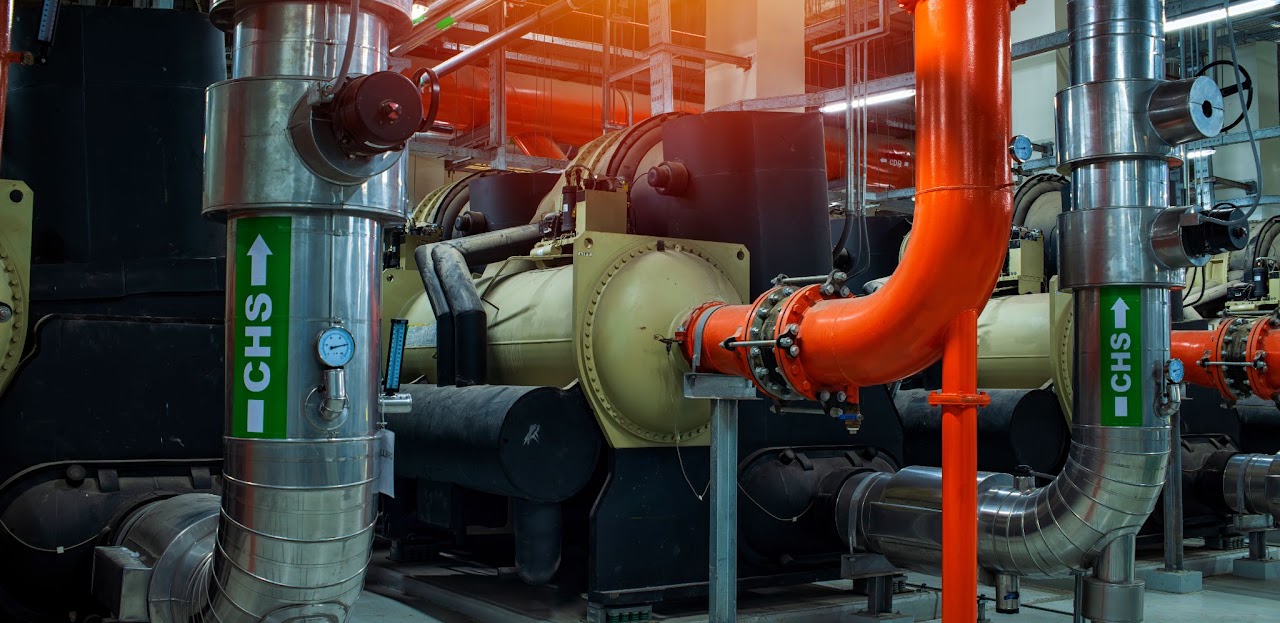
Many Australian buildings retain central-zone cooling demand through winter while operating at a fraction of summer peak load. If the active chiller cannot unload far enough, it reaches setpoint quickly, stops and restarts soon afterwards. Repeated short cycling reduces efficiency, destabilises temperature control and increases compressor wear.
Trend minimum sustained load, compressor starts per hour, supply and return temperatures, flow and valve positions before selecting a remedy. The cause may be oversized plant, insufficient system volume, excessive bypass flow or a staging sequence that enables too much capacity. Shoulder-season observation is often more revealing than a single peak-day test.
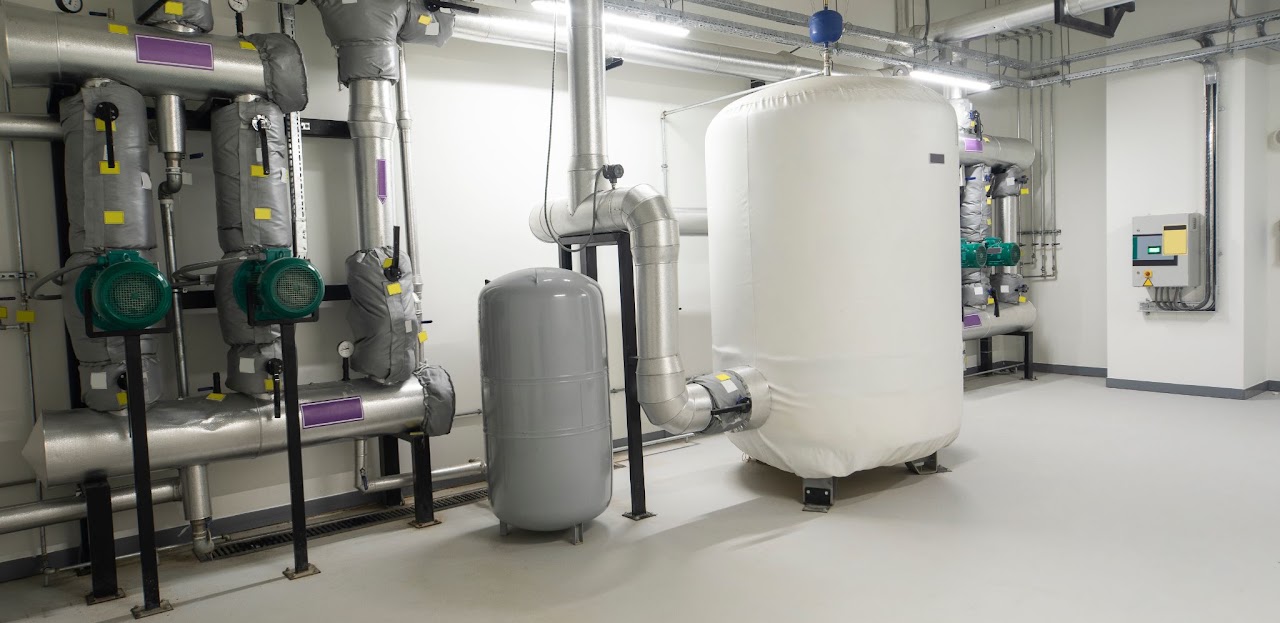
Options include multiple smaller chillers, a dedicated low-load machine, variable-speed compressors, improved sequencing, thermal storage or additional buffer volume. Size a buffer tank from the chiller's minimum run time, minimum stable capacity and permitted temperature differential rather than selecting it from a rule of thumb alone.
Controls should minimise unnecessary starts while maintaining the required water temperature. Review enable thresholds, differential and time delays, pump proving, bypass control and machine staging. Record the final sequence in the controls functional description and verify it with trends under genuinely low-load conditions.
Where a dedicated low-load chiller is not viable, other strategies include thermal energy storage, waterside or airside free cooling when ambient conditions permit, and supervisory optimisation through the building energy management system. Each option should be assessed against climate, occupancy patterns, available plant space, electrical capacity, maintenance capability and the actual number of operating hours at low load.
A buffer tank adds thermal inertia so the return-water temperature does not satisfy the chiller's stop condition immediately after startup. Required volume depends on the compressor's minimum run time and maximum allowable starts per hour, the minimum stable chiller output, the active system water volume and the selected temperature differential. Manufacturer cycling limits and alarm behaviour should be reviewed during design and commissioning.